

8 Ways to Protect Your Crops From Flooding
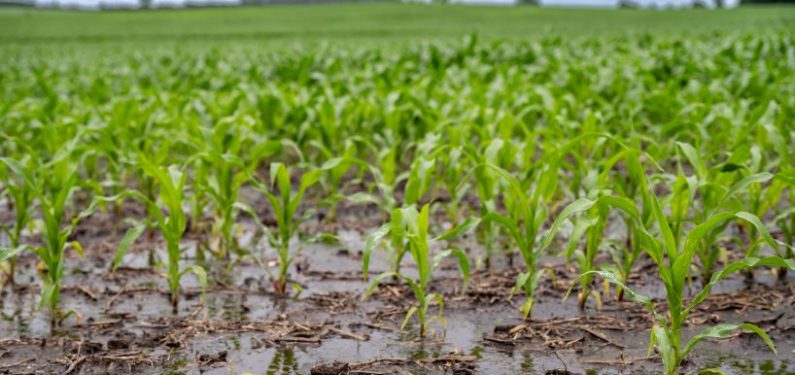
July 9, 2026Ag operators have enough to manage without having to deal with crop damage from oversaturation or flooding. Having the right strategies and protections in place can help farmers better maintain their crops and yields, while also reducing the risk of loss, preventing root damage, and minimizing flood damage if it does occur. Here are some ways to protect your crops from flooding:
- Implement good farm drainage strategies.
- Improve your soil with organic matter.
- Consult local soil specialists.
- Include flood-resistant crop choices.
- Plan to include cover crops or perennials in your planting process.
- Reconsider how often you till.
- Get the right insurance coverage for your crops.
- Include flood preparation in your regular farm maintenance.
1. Implement Good Farm Drainage Strategies
Good drainage strategies and solutions can make a big difference in managing water and preventing flood damage around your farm. In addition to directing water runoff where you want it and preventing pooling water, good drainage systems can also help remove excess water from your fields. Not only does this help prevent oversaturation in your fields, but it can also limit standing water on your property to strengthen biosecurity protocols and help keep your livestock healthy.
Getting the right drainage systems in place before planting will help protect your crops. These are some things that can help you build a good, layered drainage solution on your farm:
- Make use of any natural water sources on your property, like streams and rivers.
- Properly map out ditches and drains to manage surface runoff.
- Implement lateral and main subsurface tile drainage systems to remove excess water from the root zones and help prevent soil oversaturation.
- Use retention ponds to help manage runoff and store excess water.
- Include grassy waterways to guide heavy surface runoff off your fields, while minimizing erosion.
- Use compost and fertilizers to build soil structure, improve its natural barrier, and improve water infiltration.
- Use cover crops that help stabilize soil, help absorb water further into the earth, and protect other crops with shallower root zones.
- Integrate modern conservation drainage solutions, like filters, to help remove sediment, reduce debris buildup, and prevent blockages.
- Have temporary barriers you can deploy around your most vulnerable crops for backup protection in case of an emergency, like fillable flood barriers and water-activated dams.
2. Improve Your Soil With Organic Matter
Another layered strategy you can use to protect your crops from flooding is to take measures to improve your soil. Balancing the right mix of organic matter in your soil can help build and strengthen your overall soil structure.
Not only does this help it hold more water better, but it also helps to regulate absorption and make your soil less likely to become oversaturated. Soil samples and testing can help you determine the right mix of organic matter for your soil and how much to use around your farm.
3. Consult Local Soil Specialists
Any local agronomists in your area can also be good resources for improving your soil. These “plant doctors” specialize in soil management and crop production. They will be able to point you in the right direction for your ag operation, while taking into account your specific crops, unique features of your property, and more.
If your insurance agent has an ag background, they may even have some suggestions for you, too. Leveraging the expertise of local soil specialists can help you determine and apply the mix of organics your soil needs to maximize crop protection and crop yield, customized for your ag operation.
4. Include Flood-Resistant Crop Choices
Depending on your area and your farm, you may have limitations on the crops you choose to plant. Some crops may not make sense for you, and you may have to grow crops that are not necessarily flood-resistant.
One of the ways to protect your crops from flooding is to include flood-resistant crop options where you can, and in fields where flooding is more likely to occur. In addition to these crop choices being able to better resist flooding damage, the placement of them in more flood-prone areas can act like a protective barrier for the other crops you are growing that are not as resistant.
This is particularly true with deep-rooted trees, shrubs, or other vegetation along the edges of your fields. When planted along riverbanks, these vegetation buffers can help stabilize riverbanks, trap sediment, and also slow down fast-moving floodwater. All of these factors can work together to reduce the risk of flood damage to your other crops.
5. Plan to Include Cover Crops or Perennials In Your Planting Process
In addition to good drainage systems and flood-resistant plants, you can also strategically include cover crops or perennials in your planting process. Cover crops help:
- Stabilize soil
- Reduce erosion
- Help soil dry out faster after heavy rains
Cover crops with deeper root systems can also help water infiltrate the soil more efficiently. Essentially, they help soil absorb water better and also deeper into the earth, which keeps it from damaging other crops, especially those with shallower root systems. This also allows the upper layers of flooded soil to dry out more quickly, which helps to minimize damage to your soil and your crop root zones.
6. Reconsider How Often You Till
Tilling too frequently can disrupt the soil and damage it. It also keeps the upper layers loose and keeps water sitting on the surface of the soil instead of draining down into deeper layers and absorbing efficiently.
By reconsidering how often you till, your soil maintains its natural structure longer, and this can make it more capable of holding more water without flooding. If you can manage it, tilling less frequently can help your soil withstand flooding better, in addition to other protective measures.
If the soil is able to absorb more water without oversaturating, then water is less likely to collect, pool, and flood around vulnerable crops. This won’t protect your crops from flooding all on its own, but it can be effective when paired with other strategies.
7. Get the Right Insurance Coverage For Your Crops
A good flood prevention plan and layered drainage strategies are essential. The right insurance for your crops is also important and is a key way to protect your crops. Even with good flood prevention, water management, and drainage in place, your fields can still flood, and your crops can be damaged.
Standard farm insurance policies typically do not cover flooding. Coverage is usually obtained via separate policies, programs, or endorsements. Having the right insurance coverage and enough of it ensures that you have some protection for your farm and revenue should an incident occur. In addition to other basics of crop insurance, crop yield insurance can help protect your crops when damage is caused by:
- Flood (excessive moisture)
- Drought
- Hail
- Other natural disasters
In addition to options from insurers, there are also various other federal programs and crop policies via the USDA RMA that can help farmers and ranchers who meet the requirements for them. Your insurance agent will be a valuable resource for navigating the coverage options that apply to your ag operation.
8. Include Flood Preparation in Your Regular Farm Maintenance
Another one of the ways to protect your crops from flooding is to make sure your farm is ready for a flood before it happens. Implementing a layered flood protection solution for your crops is essential. After that, it’s also important to make a flood preparation plan and a checklist that you include in your regular farm maintenance.
This helps ensure that your farm stays ready to handle whatever comes your way. When weather predictions indicate heavy rainfall and high risk of flooding, make extra time to check over your farm and check your drainage systems. Make sure all waterways, drainage ditches, and other drainage systems are clear of debris and ready to run smoothly.
Also, look over your farm for any physical objects or debris that could be pulled loose by wind or water and damage equipment or crops. If you see anything risky, proactively clean it up and clear it out. Not only will this help minimize damage should a flood occur, but having a documented plan and maintenance can also help reduce your overall insurance risk.
It may even qualify you for discounts on your premium or more exclusive and competitive coverage options. This is why documenting in the first place and reviewing those with your insurance agent are tips to prepare for your farm and ranch annual insurance review.
Get the Farm Insurance You Need With Ruhl Insurance, a Division of Horst Insurance
These are just a few ways to protect your crops from flooding, and some considerations to keep in mind for insurance. Working with an independent insurance agent, especially one with ag experience, can help you navigate the ins and outs of insurance for your ag operation and ensure you have the coverage you need.
If you need to review your farm insurance policy or are interested in exploring coverage, reach out to Ruhl Insurance, a Division of Horst Insurance, at 717-665-2283 or 800-537-6880. We can help you navigate coverage options for your unique ag operation.
Disclaimer: Information and claims presented in this content are meant for informative, illustrative purposes and should not be considered legally binding.