

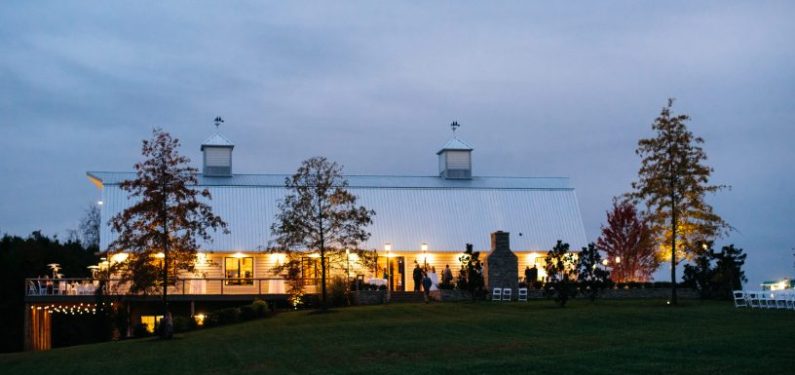
What Farmers Need to Consider With Barn Weddings and Insurance
May 14, 2026If you have a barn on your property that you no longer need to use specifically for your ag operation, repurposing it for events, like barn weddings, can potentially be a good way to use it and create an additional revenue stream for your operation. As with any new venture, there will be insurance and legal considerations, especially if you don’t already invite the public onto your property for other activities. Here are some things ag operators should consider with barn weddings and insurance:
- Do local zoning laws restrict weddings and events on farm properties?
- Can you get approval for barn weddings in your zoning district?
- What is the current state of the barn and surrounding areas?
- How do building codes and fire codes change when the barn is being used for events?
- How do the water and sewage laws apply to a barn that is used for events?
- What are the local nuisance laws and noise ordinances?
- Are you planning to serve food and alcohol?
- Do you have the right liability coverage for barn weddings?
- What other insurance coverage do you need?
- What insurance will you require the event organizers to have?
- How will taxes be handled on income generated from weddings and events?
1. Do Local Zoning Laws Restrict Weddings and Events on Farm Properties?
One of the biggest things to consider about barn weddings, and the insurance and legal considerations that come along with them, is whether local zoning laws will even allow you to have them. It’s essential to check your zoning provisions and make sure you can have those types of events on your farm property if you want to, before you get too far into the process.
In some areas, local zoning laws do not allow farm properties to be used for events, like weddings. It depends on what falls under “permitted use” or “conditional use”, and whether weddings or events would be considered “commercial use.” In agricultural and residential zoning districts, agriculture is usually allowed under “permitted use” or “conditional use.” If barn weddings and events do not fall under the zoning code’s definition of agriculture, it may be considered “commercial use” and would not be permitted under those zoning laws.
This will also affect insurance. If you are trying to obtain insurance coverage for barn weddings or events, you will not be able to find an insurer willing to offer coverage for activities that are not permitted under your local zoning laws.
2. Can You Get Approval For Barn Weddings in Your Zoning District?
If it turns out that weddings and other events on farm property are not permitted under your current zoning laws, you may still have some options. Depending on your local zoning laws, the details, and the definitions, you may be able to get approval for barn weddings and events on your farm property by requesting rezoning to allow for it or by qualifying for conditional-use permits. Once you are able to confirm that you are legally able to have barn weddings on your farm property, you’ll be able to continue the process and explore insurance carriers and coverage options as well.
3. What is the Current State of the Barn and Surrounding Areas?
Another thing farmers need to consider with barn weddings and insurance is the current state of the barn you want to use and the surrounding areas on your property. This will affect both your ability to host events safely, as well as your options for insuring it.
If there are structural issues, attractive nuisances, or dangerous areas the public could wander into around the barn, these are big liabilities that will all need to be addressed before you are able to get the insurance coverage you need and host events. Even if the building and surrounding areas are sound and clear, there will probably still be aesthetic improvements, accessibility improvements, and upgrades you will want to make to the barn and the area to turn it into the event space you want.
You will want to talk about these with your insurance agent. Depending on what those improvements are and how they affect the value of the building and property, you may need to adjust the coverage and/or coverage limits on that structure to account for the additional liability, increased replacement cost, and more.
4. How Do Building Codes and Fire Codes Change When the Barn is Being Used For Events?
A structure that hosts or houses people has different requirements than a structure that does not. If you are planning to use a building on your property for events, that building becomes a structure that hosts or houses people. This often means that a building that was previously exempt from some building and fire codes or had only minimal requirements now has stricter requirements and codes applied, and must be in compliance.
Depending on local building codes and laws, you may need to acquire a building permit. You may also need to make some changes to your barn to bring it into compliance with the building and fire regulations that now apply to it when it is used as an event space. If the structure is not up to code for the new use, that is a legal issue. It’s also an insurance issue. Any structure you are trying to insure must be up to code and in compliance with any requirements for its proposed use.
5. How Do the Water and Sewage Laws Apply to a Barn That is Used For Events?
Similar to fire codes and building codes, water and sewage laws apply differently to a barn that is used to store equipment or crops and a barn that has people in it regularly. Once you plan to use a barn or another structure on your property for weddings and events where people will regularly be on the premises, water and sewage laws will apply differently.
You may need to improve existing septic systems and drinking water supply systems, or install systems if there aren’t any, to meet new requirements for water and sewage. In addition to legal compliance, these requirements and systems also have insurance considerations.
There will be replacement costs to take into account when determining what insurance you have and what the sufficient limit on the policy should be. On top of that, water and sewer backup are not usually covered on standard farm personal property insurance. It is usually coverage added to a policy via a specific endorsement.
6. What Are the Local Nuisance Laws and Noise Ordinances?
There are right-to-farm laws that provide farmers with some protection against nuisance complaints related to agricultural activities. However, the right-to-farm laws likely do not apply to barn weddings and other events. These aren’t usually considered typical farm activities that would fall under those laws.
In addition to being a good neighbor and reducing conflict in the community, within reason, farmers will also need to consider how nuisance laws and noise ordinances would apply to barn weddings and other events on the farm property. These events, especially barn weddings and receptions, will create traffic and noise in general, potentially late into the night. You will need to know what your local noise ordinances and nuisance laws are and how they apply to any events you will be hosting on your property.
Otherwise, you could end up facing nuisance claims and other issues. And, if you are violating local ordinances and laws, you risk having your insurer deny your claim. When this occurs, it isn’t a case of insurance companies avoiding paying claims unfairly; you have to hold up your end of the deal and be a lawful and responsible insured. You may have insurance coverage, but that coverage has limits and a specific agreement; it may not apply in situations where you could be found negligent or if you are operating outside of what your policy covers or requires.
7. Are You Planning to Serve Food and Alcohol?
Events, especially weddings and receptions, often have food and beverages, including alcohol. Not only does this make an event better and more enjoyable for the people attending, but it can also increase costs. Additionally, food and beverage, especially alcohol, will require you to consider food safety, licensing, and liquor laws.
There are higher licensing requirements if you are providing food and alcohol than if you are using caterers or having attendees provide their own food and drinks. Although caterers and attendees supplying their own food and beverages can reduce your licensing requirements, it does not eliminate them – you will still have additional licensing needs to consider.
In addition to the legal requirements for preparing and providing food and liquor, you will also have to consider the additional insurance coverage you may need. Liquor liability insurance, event liability insurance, product liability insurance, workers’ compensation insurance, and more are all considerations for insurance and coverage that you may need with barn weddings and events. A conversation with your insurance agent is a good starting point. They will be able to help you navigate barn weddings and insurance.
8. Do You Have the Right Liability Coverage For Barn Weddings?
Any activity that invites the public onto your property carries additional liability risks. This is one of the most common reasons why ag operations need additional liability coverage. If your farm property isn’t already open to the public, you will need to update your liability coverage, including extending your premises liability coverage, and likely increase your policy limits.
If you already have an element of agritourism, barn weddings and events will have other liability risks for you to consider, but depending on your policy, you may have the liability coverage you need. However, if you don’t already have a policy covering commercial activities on your farm, then you will likely need to explore some type of specialized commercial general liability insurance designed for special events.
Discussing what you would like to add and do with your insurance agent and reviewing your farm insurance policy with them will ensure you have the coverage you need and you don’t have any expensive coverage gaps. Having them tour your property with you to look over the structure and surrounding areas and talk through your plans is also helpful.
9. What Other Insurance Coverage Do You Need?
You may have a fantastic general liability policy for your farm, but general liability often does not cover event activities, like weddings and other events. Barn weddings can be a great event for your farm, but they also require the right insurance coverage and enough of it before you start hosting events on your property. This is one of the essential things to do before welcoming visitors to your farm, whether for a barn wedding or something else.
Your insurance agent will be an invaluable resource as you explore converting a structure on your property into an event space. They will be able to take your current property and insurance policy into account and determine what needs to be updated or added to ensure you are properly and sufficiently insured for your new venture. This type of personalized advice and a consultative approach are some of the biggest benefits of working with an independent insurance agent, especially someone who has ag experience.
10. What Insurance Will You Require the Event Organizers to Have?
Another thing farmers need to consider with barn weddings and insurance is the coverage that the people or business organizing the event need to have in order to use the barn event space. Your insurance agent will be a good resource for advice on what insurance you should consider requiring before allowing someone to host an event in your space.
You will have your own insurance in place for your structure and property, but there may be other considerations and responsibilities that would fall on event organizers to cover. Depending on your specific situation and risks, you may want to require that organizers have certain types of insurance before using your space. Making things like this part of the contract is one way farmers can avoid frivolous liability claims as they venture into providing event space.
11. How Will Taxes Be Handled on Income Generated From Weddings and Events?
Outside of insurance, farmers should also have a good idea of how taxes on income generated from barn weddings and events will be handled. Where income from these events is reported will be different from income from selling traditional ag products. That income may also be taxed differently.
Depending on local laws and your specific events, you may also need to collect, pay, and report on sales tax. These are important things to think about for farmers who are considering using barns or other structures on their property for weddings or events.
Insure Your Ag Operation Properly With Ruhl Insurance, a Division of Horst Insurance
These are just a few things to consider with barn weddings and insurance, and can help you determine if agritainment is right for your farm, even if it’s just an event space in a barn. Every ag operation is different and will have its own unique aspects and challenges.
Having a conversation with an independent insurance agent, especially one with ag experience, can ensure you have the insurance coverage you need for every aspect of your ag operation. If you need to review your current farm insurance policy or need to add or update coverage, contact Ruhl Insurance, a Division of Horst Insurance, at 717-665-2283 or 800-537-6880.
Disclaimer: Information and claims presented in this content are meant for informative, illustrative purposes and should not be considered legally binding.